
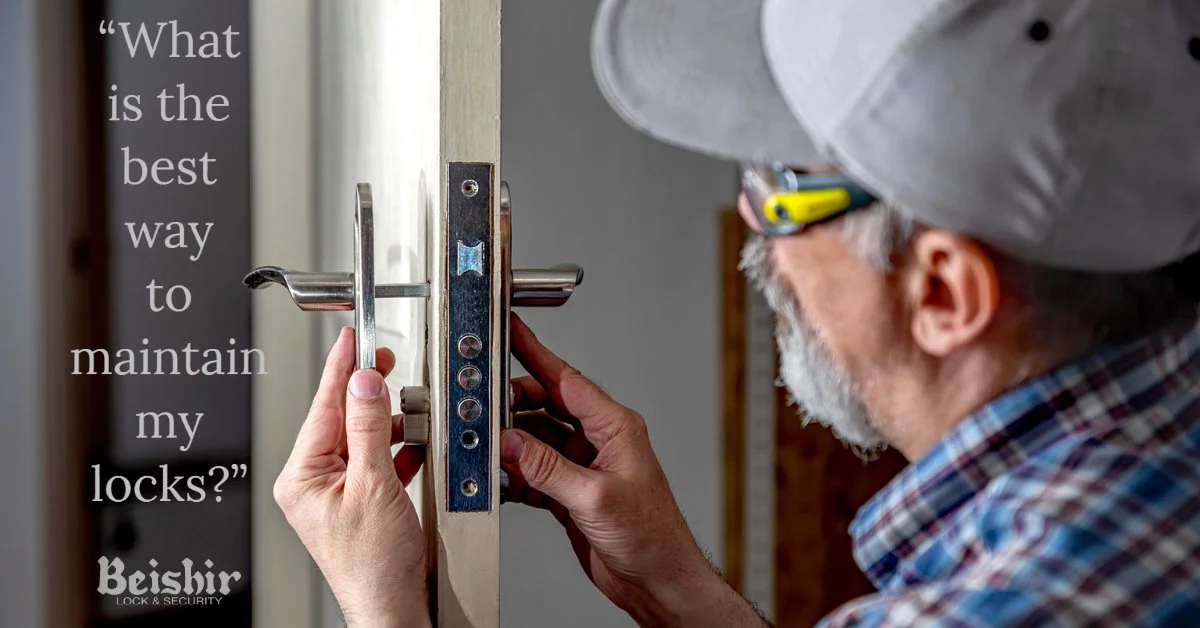
What Is the Easiest Form of Lock Maintenance?
The simplest method of lock maintenance is to not use the lock when it isn’t needed. Every time a lock is used, metal is grinding on metal, causing wear. Eventually every lock wears out.
Why do locks break? Besides normal wear and tear from daily use, locks break from being overly stressed and poorly maintained. Sometimes locks get jammed from being forced, or when shards or debris get caught in them. With regular maintenance, you can reduce breakage and keep your locks working properly.
What Type of Maintenance Works for Outdoor Locks?
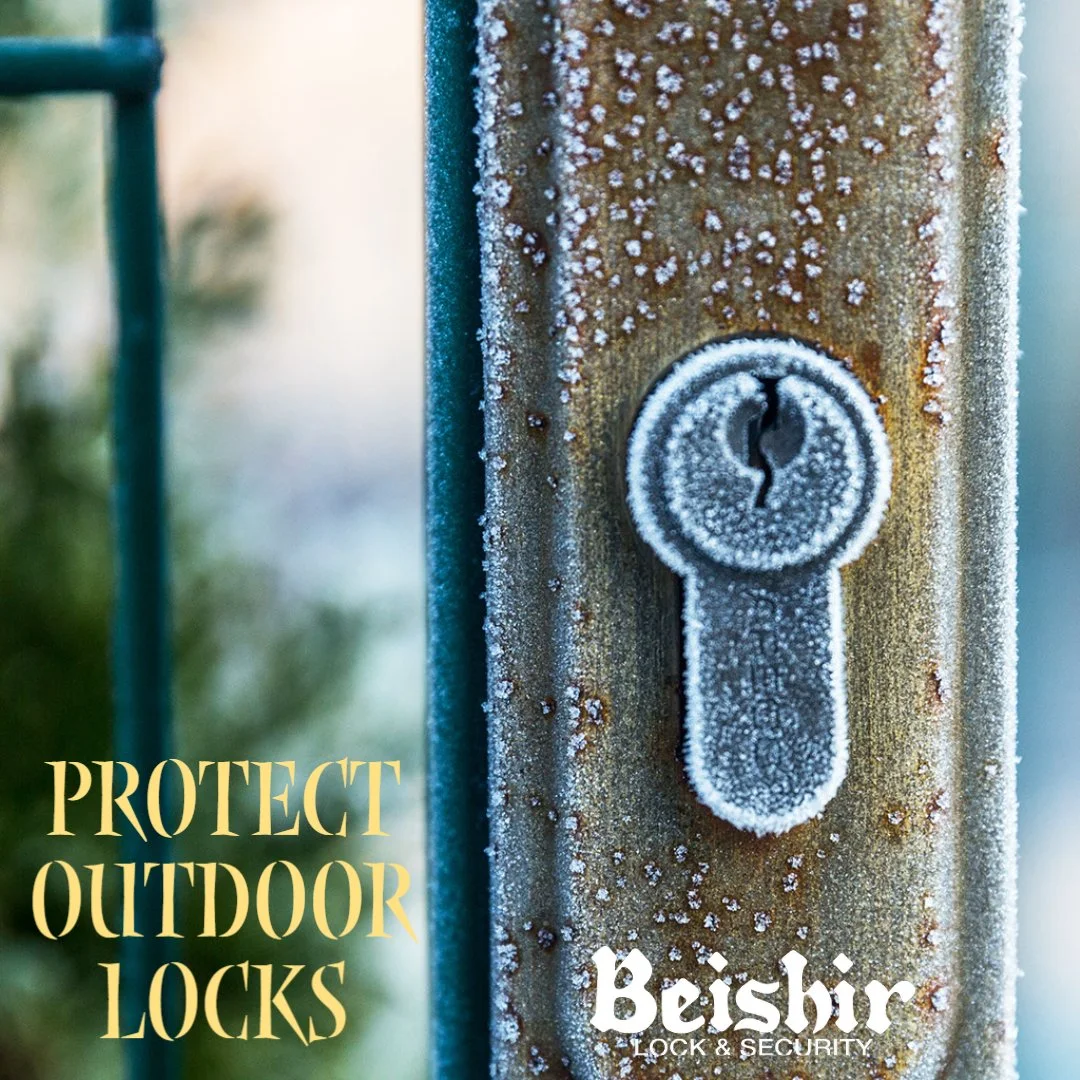
Outdoor locks face more opportunities for damage because they are exposed to weather and moisture. A general maintenance measure is gently oiling the lock to prevent rust and ice. Address issues as they come up, before they cause lasting damage. Also check the locks you don’t use often and oil them on a schedule so they stay in good working order.
The most important thing to remember if a lock is frozen is to NOT pour hot water on it! While this will melt the ice, it also introduces more moisture to the lock and makes worse freezing more likely later. If you have to thaw a lock quickly, you can use isopropyl alcohol (rubbing alcohol or hand sanitizer), but it is best to prevent freezing through maintenance.
Also be aware that the more a lock freezes and thaws, the higher the chance rust will form. This is especially bad when the lock freezes inside, because the internal components will rust. Internal rust is extremely difficult to remove and often means the lock has to be replaced.
Basic Maintenance: Realign the Lock
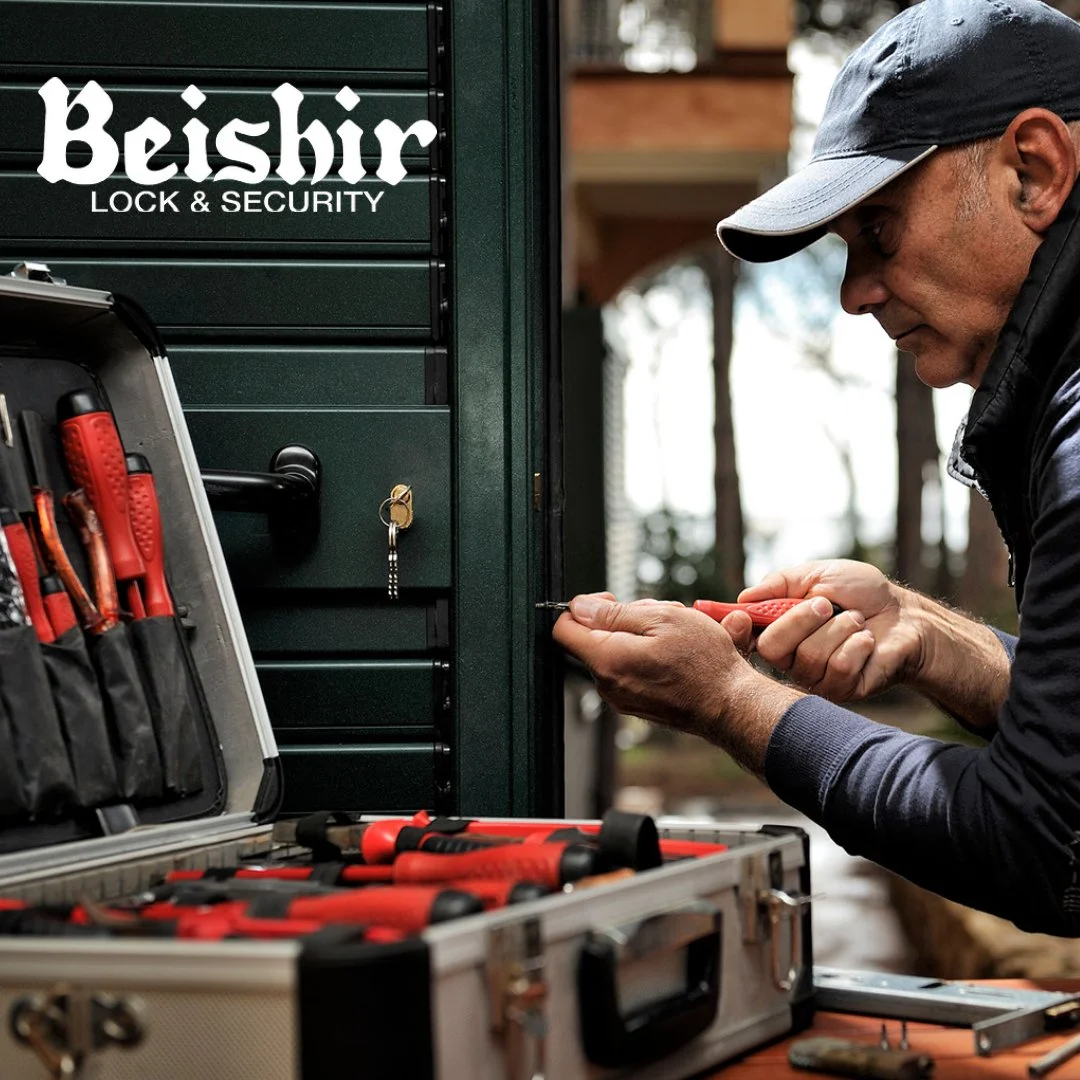
When your lock isn’t opening or locking smoothly, there is likely an issue with the alignment of the latch bolt and/or the strike plate. A lock that isn’t aligned properly needs more force to close and lock, and that extra force will eventually damage it. The simple fix is to raise or lower the strike plate, or adjust the hole in the door frame so the latch sits correctly. When moving the strike, make sure the new screw holes are far enough from the old ones so the frame doesn’t become weak. If there is any doubt about the integrity of your door frame, call a professional. This is the security of your home, and you should not take chances. If redrilling isn’t possible, you can also widen the strike hole so the latch sits correctly in the frame.
Adjusting the Door
A sticking door causes the same problems as a misaligned lock. The latch won’t slide into place if the door isn’t hanging correctly. Wood expands as the weather changes, and that can cause doors and frames to warp. Open and close the door to find the point where it catches, mark how much material is in the way, then remove the door and plane it down to size.
Clean the Lock
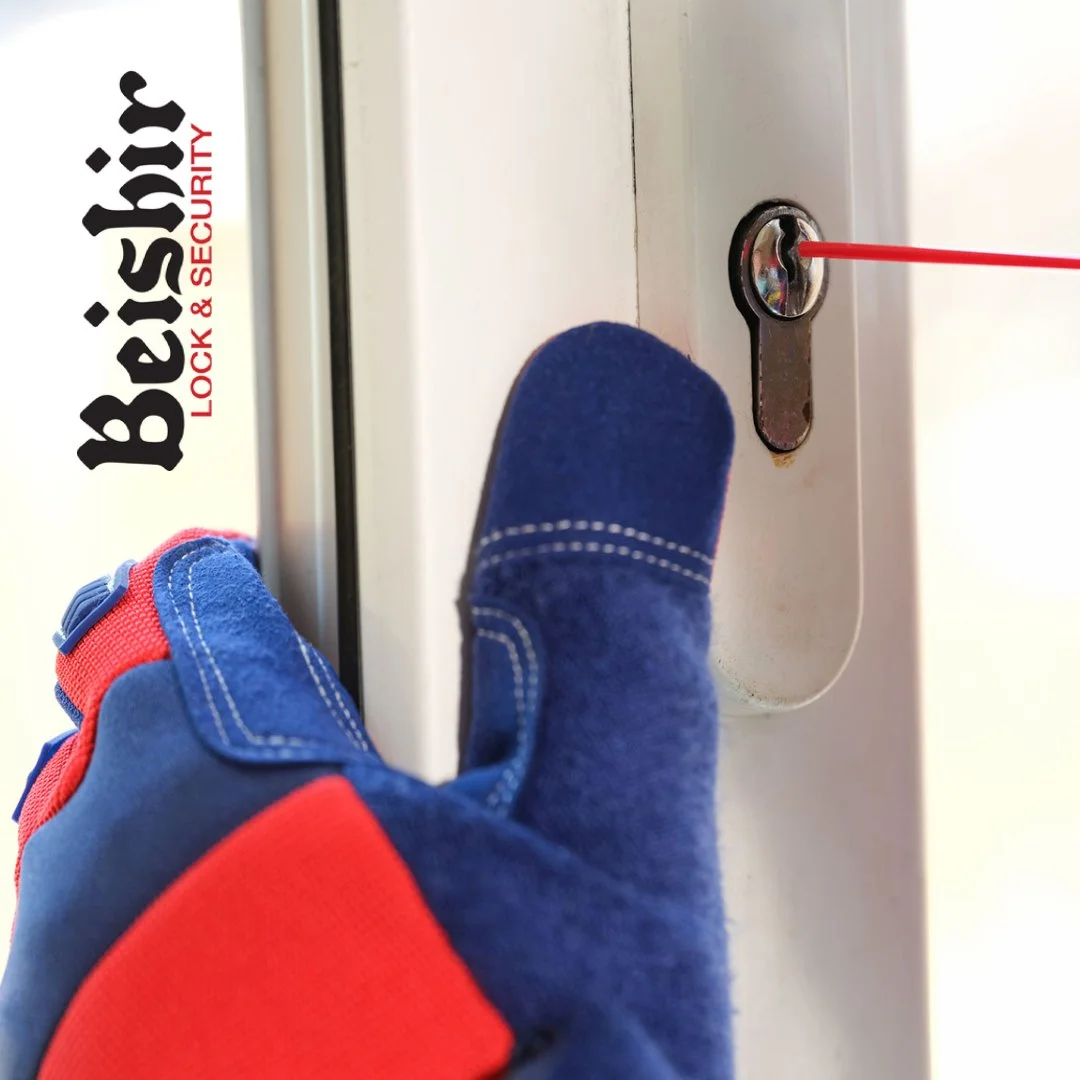
Dust and debris can clog the internal components of a lock and keep it from working properly. If your key is sticking, there may be debris in the keyway that needs to be cleaned out. The best way to clean a lock is with the right lubricant. Spray it into the lock and turn the key several times so it reaches every part of the mechanism. If something is stuck beyond where lubricant helps, taking the lock apart to clear it may be the most effective fix.
Remove Rust
The method that works best depends on how much rust you are dealing with. A little rust can be removed with an oil-based lubricant such as WD-40. Apply the spray and rub the rust away, but use it sparingly, because it can attract dust and dirt. For heavier rust, try a mix of vinegar and water. When there is too much rust, it may be time to replace the lock.
Replace Worn Keys
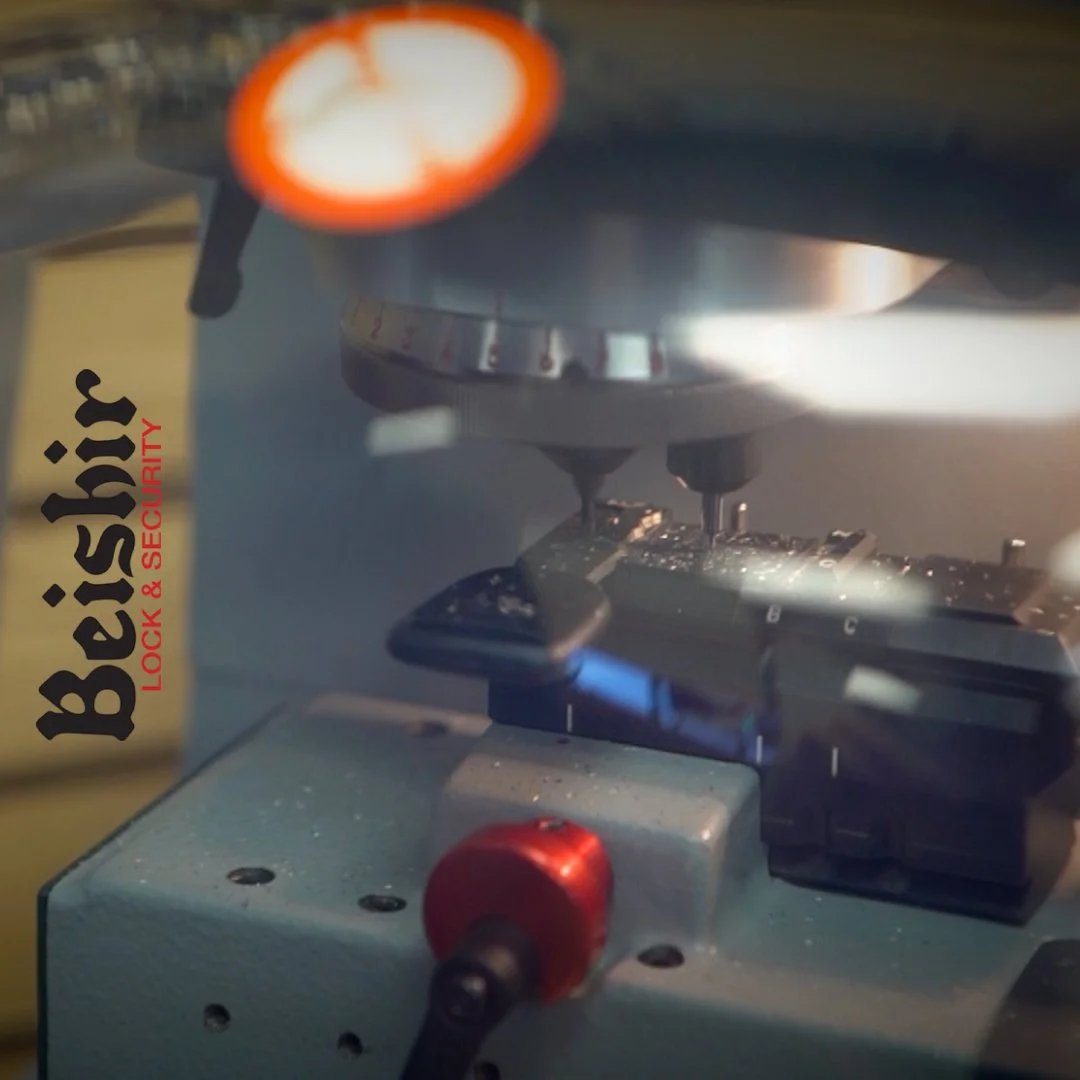
An ill-fitting key can harm your lock with repeated use. Worn keys make you wiggle and jiggle, which adds unnecessary stress to the lock and can break both the key and the lock. Feel the teeth of your key. If they are smooth or rounded, the key is worn down. A fresh key has crisp edges. A new key from a code or a good original can keep your locks working smoothly.
The best way to maintain your locks is to reduce the stress on them. Keep ice and rust off, and don’t ignore it when keys get harder to turn. If the door sticks, adjust it. If the lock is hard to turn, service it. Catch problems while they are minor, before they turn into a security risk or an expense. For help with lock maintenance, contact us.